Municipal Finance Study Highlights Audit Readiness Gaps in Secondary Cities
A CFSBR working paper examines property tax digitization and transparent capital budgeting across six fast-growing city corporations.
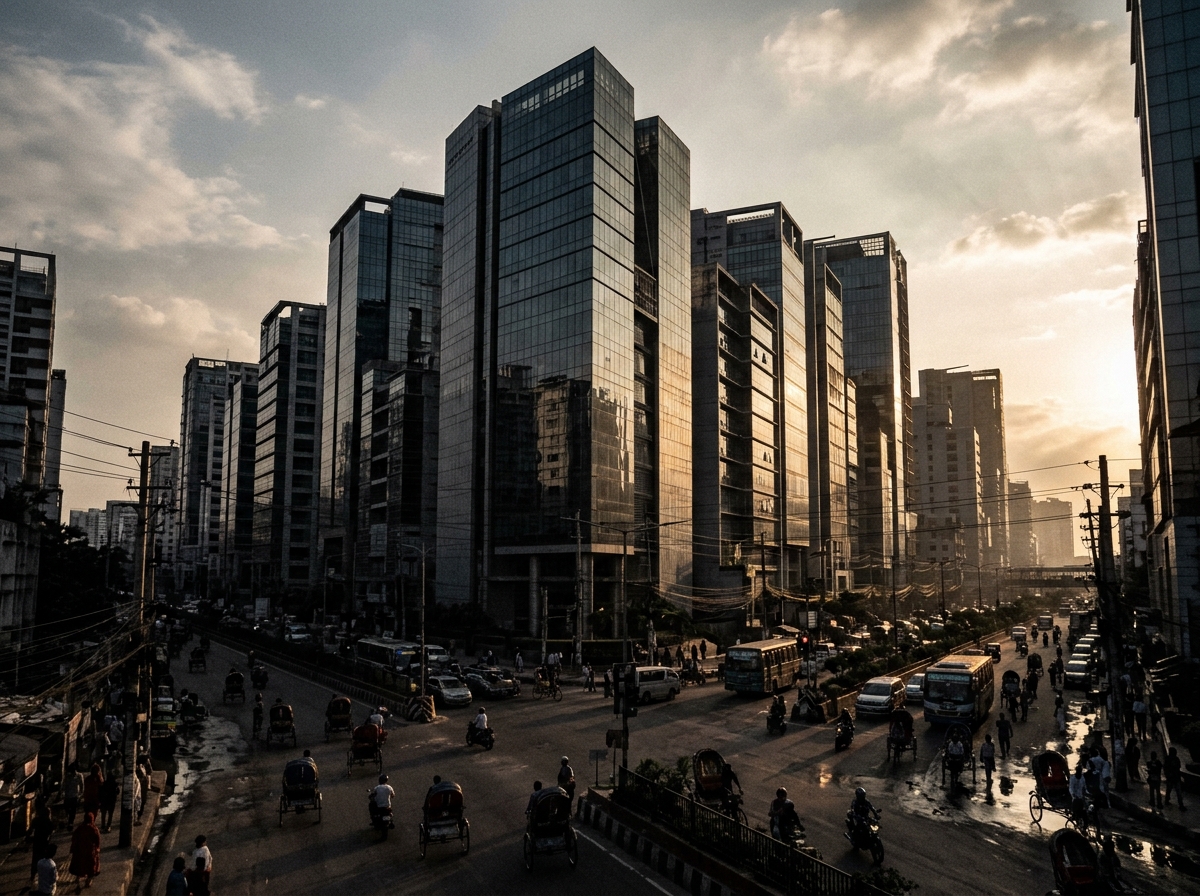
DHAKA — As secondary cities such as Rajshahi, Cumilla, and Mymensingh absorb an increasing share of Bangladesh’s urban population growth, financing climate-resilient drainage, public markets, and bus corridors strictly through central block grants is proving insufficient.
A new working paper from the Centre for Fintech and Strategic Business Research evaluates six city corporations against international municipal credit-readiness criteria. The authors conclude that digital property-tax registries and timely external audits represent the highest-return reforms before local governments consider municipal debt instruments.
ABOUT THE REPORTER
Dr. Rafiqul Islam
Contributing Research Editor
Fellow at CFSBR specializing in climate economics, hydrological risk, and trade corridors.
Related Dispatches
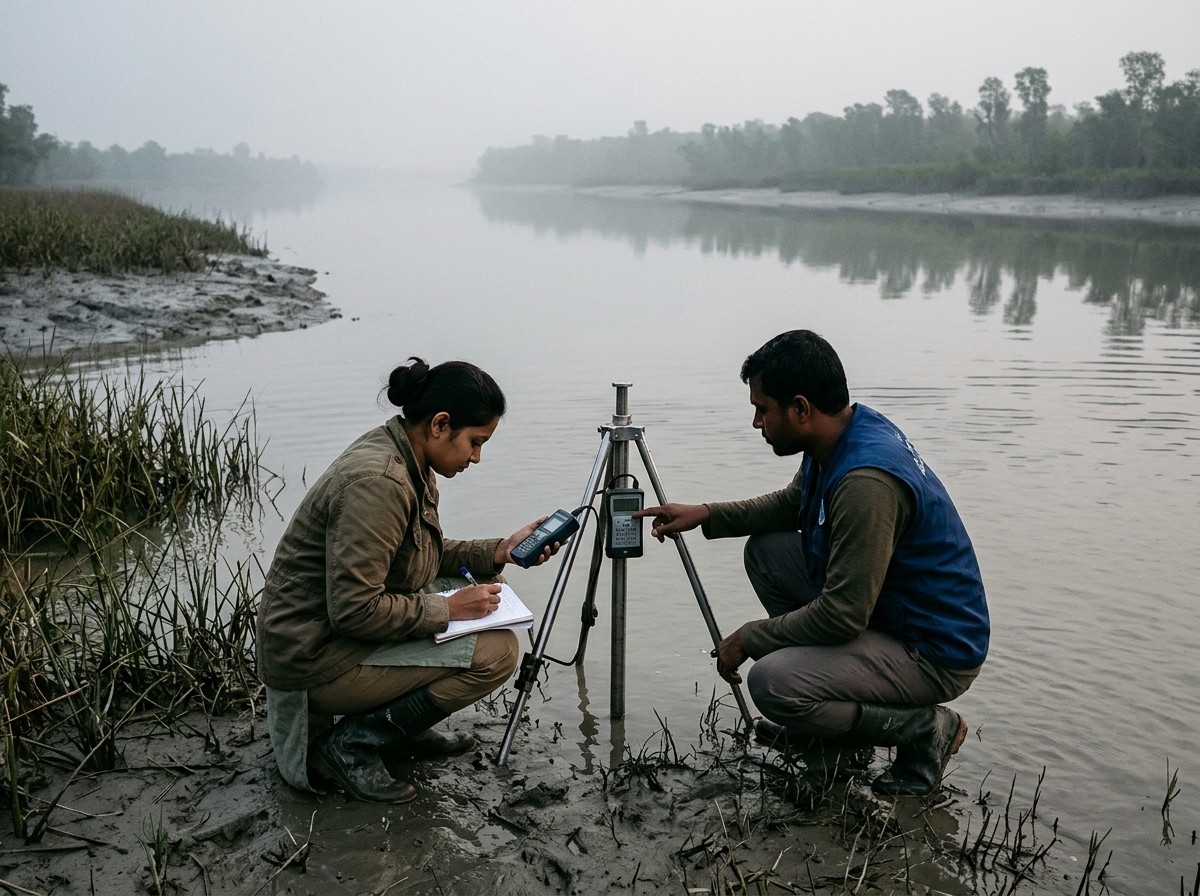
More in ResearchCoastal Salinity Sensors Map Micro-Shifts Across Southwest Polders
Field researchers argue village-level hydrological monitoring must replace district-wide assumptions when designing crop calendars and freshwater reservoirs.

University Research Clubs Expand Their National Collaboration
Student-led research organizations across Dhaka, Chattogram, Rajshahi, and Khulna are replacing isolated annual symposiums with a shared national working-paper network.
Instant Merchant Settlement Pilots Reshape Dhaka SME Liquidity
Commercial banks and mobile financial service providers are testing real-time clearing rails aimed at drawing cash-heavy wholesale markets into formal ledger histories.